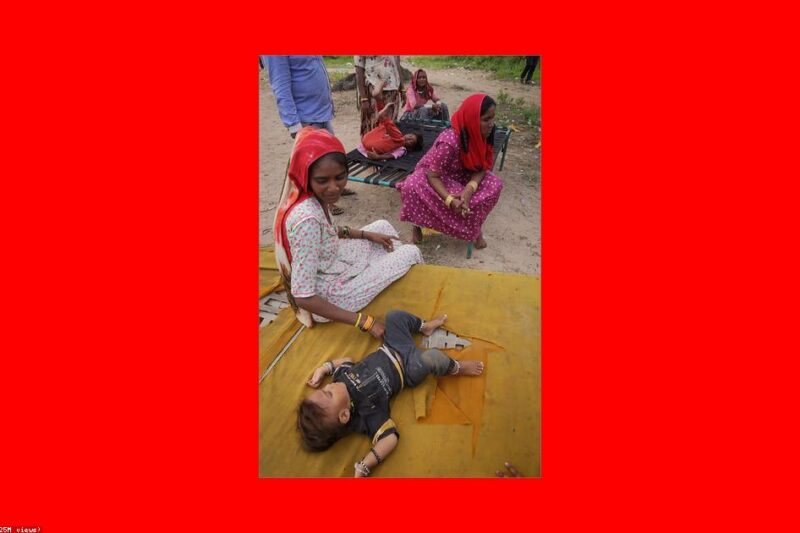

You are in a supermarket. Your two-year-old wants a biscuit. You say no. They dissolve onto the floor and begin screaming with an intensity you have genuinely never heard from a human being before. Everyone is looking. You are desperately trying to remember what the parenting books said.
Tantrums are one of the most universal parenting experiences there is, and also one of the most misunderstood. Here is what is actually going on and what actually helps.
Why Toddlers Tantrum
The prefrontal cortex, the part of the brain responsible for emotional regulation, impulse control, and rational thinking, is not fully developed until the mid-twenties. In a two-year-old, it is barely online. Your child is not being deliberately manipulative. They genuinely cannot regulate the emotion that is flooding them.
At the same time, toddlers are becoming aware of their own preferences and desires and are developing the drive for autonomy. They want things. They want to choose. Their language is not yet developed enough to communicate all of this. The frustration of wanting, not being able to have, and not being able to explain why you want it, combined with a brain that has very little capacity to manage the resulting emotion, produces a tantrum.
What Not to Do
Do not match their energy. Raising your voice, getting physically tense, or responding with frustration escalates the situation. Your nervous system is regulating theirs. If you go into emergency mode, their brain reads that as confirmation that something very bad is happening.
Do not give in to stop the tantrum. If the tantrum was caused by you saying no to something, giving in teaches your child that screaming long enough produces results. This is not a moral failing; it is simple classical conditioning. You will get more of what you reinforce.
Do not try to reason with them in the middle of it. The logical part of their brain is offline during a full tantrum. Explaining why the biscuit is a bad idea is wasted breath.
What Actually Helps
Stay calm. Easier said than done, but your calm is genuinely useful. Get down to their level. Use a quiet, steady voice. You are not solving the problem; you are co-regulating, helping their nervous system settle by being an anchor of calm next to their storm.
Name the feeling: “You are really upset because you wanted the biscuit and I said no.” This is not giving in. You are not changing your answer. But acknowledging the feeling helps it pass faster. Children whose feelings are named regularly develop better emotional regulation over time because they learn to identify and process emotions rather than just be overwhelmed by them.
Do not send them away or threaten consequences during the tantrum. Sit near them. Be present. When the storm passes, which it will, reconnect with a hug or a quiet moment before moving on.
Prevention: The Basics
Most tantrums happen when a child is hungry, tired, or overstimulated. Managing these states removes a huge proportion of tantrum triggers. Carry snacks. Stick to nap times. Do not schedule demanding activities for the end of a long day.
Offer choices within boundaries. “You can have the apple or the banana” gives your child a sense of autonomy without giving them the choice you do not want them to make. Toddlers who feel some control over their world tantrum less.
After the Tantrum
Once your child has calmed down, keep it brief and move on. A short warm reconnection, then continue with the day. Do not re-litigate what happened. Do not punish after the fact. The tantrum is over; they have already experienced the natural consequence of not getting the thing they wanted.
And remember: this phase passes. Tantrums peak around age 2-3 and decrease significantly as language develops. When your child can tell you what they want and feel, they need to scream it a lot less.